
Droitwich Spa, a historic town in Worcestershire, England, boasts a map reflecting its unique heritage and modern development. The town’s layout is intricately linked to its ancient salt production, a legacy that has shaped its geography and continues to define its character.
At the heart of Droitwich lies the town centre, a compact area clustered around the High Street and Victoria Square. Here, the map reveals a concentration of retail shops, restaurants, and pubs, catering to locals and tourists alike. Historic buildings, many dating back to the Tudor and Georgian periods, line the streets, adding to the town’s charm. Key landmarks, such as the St. Andrew’s Church, with its distinctive spire, are easily identifiable on the map.
The River Salwarpe meanders through the centre of Droitwich, a vital element in the town’s history. Historically, the river was crucial for transporting brine. Today, its banks are lined with walkways and parks, providing green spaces for recreation. The map highlights the bridges that cross the Salwarpe, connecting different parts of the town centre and offering picturesque views.
To the north and south of the town centre, residential areas spread out, reflecting the town’s growth over the centuries. These areas are typically characterized by a mix of housing styles, from Victorian terraces to more modern developments. Parks and green spaces, such as the Droitwich Spa Lido Park, are strategically located within these residential areas, offering recreational opportunities and contributing to the town’s pleasant environment.
The map also illustrates the importance of transport infrastructure in Droitwich. The A38, a major road, bypasses the town centre, providing access to nearby towns and cities such as Worcester and Bromsgrove. The Droitwich Spa railway station, located just to the east of the town centre, offers direct rail links to Birmingham and other destinations, making Droitwich a convenient location for commuters. The map clearly shows the location of bus routes and stops, further highlighting the town’s connectivity.
Looking closely at the map, one notices the presence of several salt extraction sites, both historical and contemporary. These sites, often marked by brine pools or salt works, serve as a reminder of Droitwich’s unique salt heritage. The Brine Baths, a modern spa facility, is also clearly indicated, demonstrating the town’s continued embrace of its saline waters for health and wellbeing.
In conclusion, the map of Droitwich Spa is a visual representation of a town shaped by its salt-rich history. It reveals a compact town centre, meandering river, residential areas with green spaces, and crucial transport links, all contributing to the town’s unique character and appeal. From its ancient salt production to its modern spa facilities, the map encapsulates Droitwich’s rich heritage and its continued evolution as a thriving community.
 1000×1000 droitwich spa modern atlas vector map boundless maps from boundlessmaps.com
 -23717-p.jpg?w=800&h=9999&v=08abe8c6-8838-4b7d-9f5e-10d3f87e962d) 800×637 droitwich spa street map from www.themapcentre.com
800×637 droitwich spa street map from www.themapcentre.com  1300×956 droitwich spa shown road map geography map stock photo alamy from www.alamy.com
  700×495 town centre map visit droitwich spa from www.visitdroitwichspa.com
  1000×623 maps droitwich spa hereford worcester from www.francisfrith.com
  420×263 droitwich spa maps books memories francis frith from www.francisfrith.com
  1754×1754 droitwich bloom promotional resources vale spa from valeandspa.co.uk
  400×533 droitwich spa droitwich spa map from www.getthedata.com
  1280×1280 os map worcester droitwich spa explorer map ordnance survey shop from shop.ordnancesurvey.co.uk
 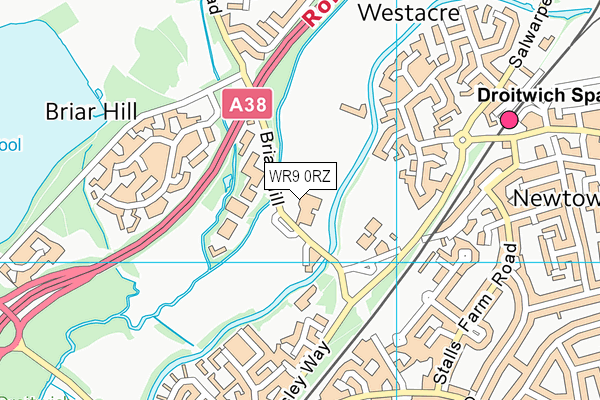 600×400 droitwich spa leisure centre from www.getthedata.com
  1000×623 historic ordnance survey map droitwich spa from www.francisfrith.com
  729×600 location visit droitwich spa from www.visitdroitwichspa.com
  1585×1109 planning library from www.droitwichspacivicsociety.co.uk
  1300×1390 map droitwich spa cut stock images pictures alamy from www.alamy.com
  1024×874 md support centre droitwich spa satellite clinic md support centre from mdsupportcentre.org
 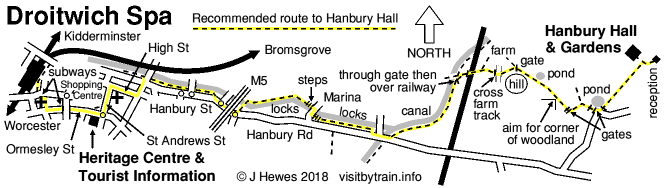 664×188 droitwich spa train heritage centre hanbury hall gardens visit train station from visitbytrain.info
  1300×927 street view droitwich spa town map town centre nice sunny day stock photo alamy from www.alamy.com
 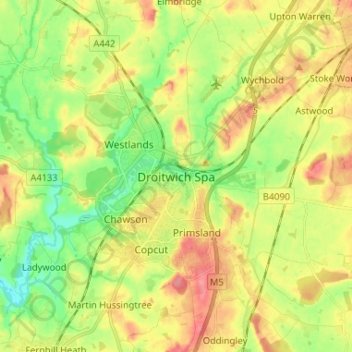 352×352 droitwich spa topographic map elevation terrain from en-gb.topographic-map.com
  336×300 droitwich spa england sunrise sunset times from sunrise-sunset.org
  400×419 droitwich spa turning salt silver walks aa from www.theaa.com
  866×1390 map droitwich spa res stock photography images alamy from www.alamy.com
  1224×771 droitwich spa air aerial photographs great britain jonathan ck webb from www.webbaviation.co.uk