
The Sea of Azov, often called the “shallowest sea in the world,” is a relatively small body of water connected to the Black Sea via the narrow Kerch Strait. Its geography and strategic importance have made it a focal point throughout history.
Geography: The sea’s defining feature is its shallowness. The average depth is only about 7 meters (23 feet), contributing to its rapid heating in summer and freezing in winter. The seabed is mostly flat and sandy, with some shell deposits. Several major rivers, including the Don and Kuban, flow into the Azov, significantly influencing its salinity. The coastline is generally low-lying and sandy, characterized by numerous lagoons, estuaries (or “limans”), and spits.
Bordering Territories: The sea is bordered by mainland Ukraine to the north and west and Russia to the east and south. Major Ukrainian ports on the Azov include Mariupol and Berdiansk, which are historically important for trade and industry. On the Russian side, key ports are Taganrog and Yeysk.
Kerch Strait: The Kerch Strait, a narrow waterway connecting the Sea of Azov to the Black Sea, is of critical strategic significance. It’s flanked by the Crimean Peninsula to the west (currently under Russian control) and the Taman Peninsula of Russia to the east. The Kerch Strait Bridge, completed by Russia in 2018, spans the strait, physically linking the Crimean Peninsula to mainland Russia. This bridge plays a vital role in Russian logistics and transport.
Hydrology and Ecology: Due to the inflow of freshwater rivers, the Sea of Azov is less saline than the Black Sea. This lower salinity supports a unique ecosystem, which historically included a rich diversity of fish species. However, increasing salinity and pollution in recent decades have negatively impacted the sea’s biodiversity and fisheries. The shallow nature of the sea also makes it vulnerable to temperature fluctuations, which can significantly affect marine life.
Economic Importance: Historically, fishing has been a major industry in the Sea of Azov. The region is also significant for agriculture, with fertile lands along the coast supporting grain and vegetable production. The ports on the sea are crucial for exporting grain, steel, and other commodities. Navigation is generally straightforward due to the lack of strong currents and tides, but the shallow depth requires specialized shallow-draft vessels.
Strategic Significance: The Sea of Azov’s relatively small size and strategic location make it a critical area of geopolitical competition. Control of the sea and access through the Kerch Strait provides significant advantages for trade, military projection, and regional influence. Events in recent years have highlighted the ongoing tension and strategic importance of this region.
 1573×1200 exploring unique features sea azov map upsc colorfull notes from upsccolorfullnotes.com
 426×426 map sea azov location facts history from www.pinterest.com
 838×588 strategic dimensions sea azov center international maritime security from cimsec.org
 1920×1920 sea azov map from ar.inspiredpencil.com
 795×1005 map azov republic kitfisto deviantart from www.deviantart.com
 900×900 sea azov render topographic map neutral border cities digital art frank ramspott from pixels.com
 920×577 sea azov map azov sea azov sea map sea azov from www.pinterest.com
 1024×640 sea azov map boundaries sea azov countries stock illustration image from www.istockphoto.com
 1300×956 black sea sea azov region political map capitals important cities borders from www.alamy.com
 1359×962 azov sea vital waterway complex region map arctic region explore geography from coloradotopographymap.github.io
 900×900 sea azov render topographic map color border cities frank ramspott from frank-ramspott.pixels.com
 1097×718 black sea sea azov region political map capitals images from www.tpsearchtool.com
 800×596 map sea azov country story sea azov map images from www.tpsearchtool.com
 487×323 sea azov important atlantic council from www.atlanticcouncil.org
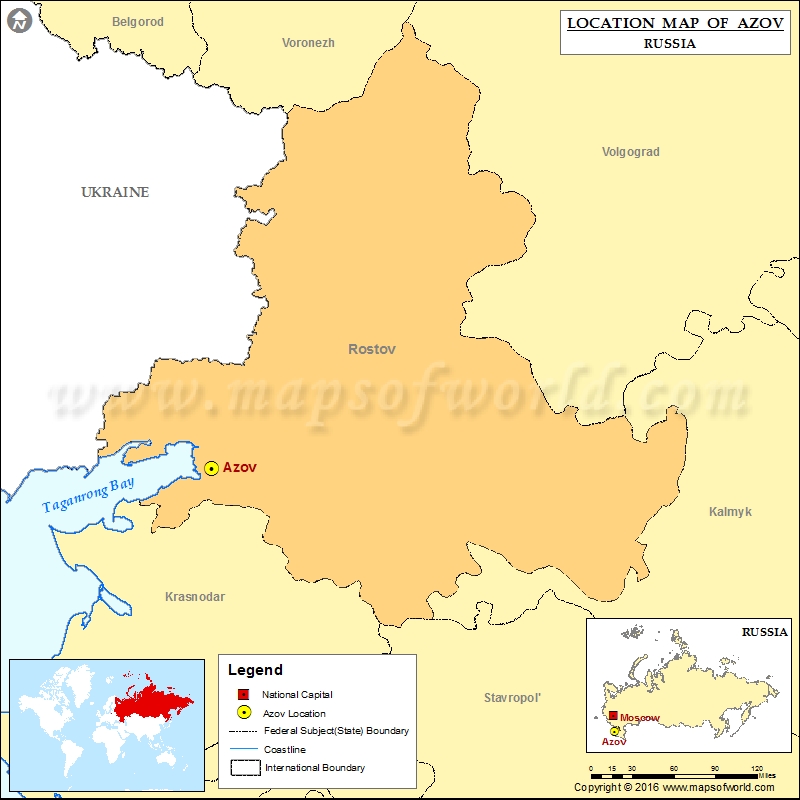 800×800 azov location azov russia map from www.mapsofworld.com
 2000×2000 sea azov ukraine russia map black sea britannica from www.britannica.com
 1300×957 map cartography black sea sea azov crimea peninsula kerch strait from www.alamy.com
 734×524 leadership needed improve maritime security black sea sea azov from www.heritage.org
 845×582 sea azov worldatlas from www.worldatlas.com
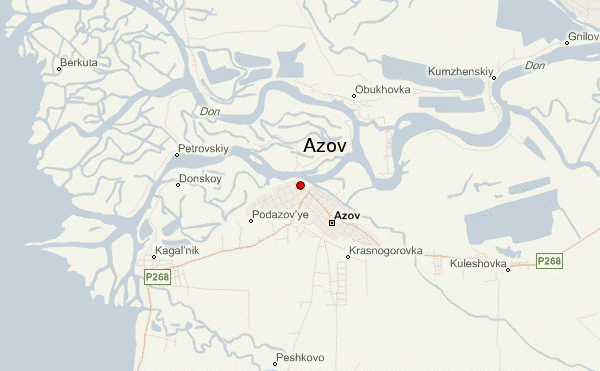 600×371 guide urbain de azov from fr.weather-forecast.com
 850×555 map sea azov national level entities ukrainian nature scientific from www.researchgate.net
 850×459 sea azov map alexia lorraine from beitrisoevvy.pages.dev
 786×599 sea azov world map from mavink.com
 900×581 europe map sea azov images from www.tpsearchtool.com
 728×425 azov russia azov rostov oblast map worldatlascom from www.worldatlas.com
 1300×953 geographic map european crimea sea azov stock illustration illustration black from www.dreamstime.com