
England’s coastline, a sinuous embrace of the island nation, stretches for approximately 11,000 kilometers (6,800 miles). A map of coastal England reveals a landscape of dramatic contrasts, a tapestry woven from rugged cliffs, sandy beaches, and intricate estuaries. From the Scottish border in the north to the Cornish tip in the southwest, the coast tells a story of geological forces, human interaction, and ecological diversity.
The north-east coast, particularly Northumberland and Durham, is characterized by imposing cliffs, some topped with historic castles like Bamburgh. These cliffs, often formed of sedimentary rock, bear the brunt of the North Sea’s relentless power. Further south, along the Yorkshire coast, the landscape softens, transitioning into sandy bays like Filey and Scarborough, popular destinations for seaside tourism. Spurn Head, a dynamic spit of land jutting into the Humber Estuary, exemplifies the ever-changing nature of coastal erosion and deposition.
The east coast, stretching down through East Anglia (Norfolk, Suffolk, Essex), is low-lying and vulnerable. Here, the land is predominantly flat, intersected by a network of rivers and broads (shallow lakes). The Norfolk Broads, a national park, represent a unique wetland ecosystem created by medieval peat diggings. Coastal defenses are crucial here, as rising sea levels and storm surges pose a constant threat of flooding and coastal erosion. The coastline around the Thames Estuary is heavily industrialized, supporting major ports like Felixstowe and Tilbury, reflecting England’s long maritime history.
The south coast, from Kent to Cornwall, presents a remarkable variety of landscapes. The white cliffs of Dover, iconic landmarks formed of chalk, guard the narrowest point of the English Channel. Further west, the Jurassic Coast in Dorset and Devon, a UNESCO World Heritage site, showcases millions of years of geological history, with dramatic cliffs, fossil-rich beaches, and stunning rock formations like Durdle Door and Lulworth Cove. The south-west peninsula, particularly Cornwall and Devon, is characterized by rugged granite cliffs, sheltered coves, and picturesque fishing villages. The coastline here is deeply indented, creating numerous natural harbors and estuaries.
The west coast, facing the Irish Sea, varies greatly. The Lake District spills into the sea creating a diverse landscape. Further south, the coast flattens out near Lancashire and Cheshire. The coast of Wales borders the western English coast offering estuaries like the Dee which are essential for migratory birds.
A map of coastal England is more than just a geographic representation; it’s a historical document, an ecological record, and a testament to the enduring relationship between the land and the sea. It highlights the diverse habitats, from salt marshes and mudflats to shingle beaches and rocky headlands, supporting a rich array of marine life and bird populations. It underscores the challenges of coastal management in the face of climate change and the importance of preserving this invaluable natural resource for future generations.
 1506×1148 coastal map england oconto county plat map from ocontocountyplatmap.blogspot.com
 .png) 474×273 england coast path walking holidays contours walking holidays from www.contours.co.uk
474×273 england coast path walking holidays contours walking holidays from www.contours.co.uk  250×362 coast map great britain major cities towns from www.pinterest.com
  1051×1390 coast coast from fity.club
  308×323 coasts england from ar.inspiredpencil.com
  474×465 uk coastal map creator arcims solution coastal map data delivery from proceedings.esri.com
  1630×2303 map coastal walkways england from www.pinterest.com
  1000×1443 uk beaches map beaches uk map from www.mapsofworld.com
  800×773 map north england coastal map world from coastalmapworld.blogspot.com
  1800×945 coastal map index from www.british-coast-maps.com
  543×377 england coast path village magazine from thevillagemagazine.co.uk
  320×350 english channel coast map information page from www.worldatlas.com
  300×321 england coast path walking holidays great walking holidays from www.letsgowalking.co.uk
  768×1058 england coast path trail planner from trailplanner.co.uk
  2982×3509 uk coast map from mavink.com
  1506×1251 kent coast path days contours walking holidays from www.contours.co.uk
  756×863 england coast path openstreetmap wiki from wiki.openstreetmap.org
  660×971 british coast maps from www.british-coast-maps.com
  300×300 coast coast england walking from www.distantjourneys.com
  800×800 england walking coast coast country walkers from www.countrywalkers.com
  1200×872 kent ramblers coastal access from www.kentramblers.org.uk
  611×757 england coast path hiking advisor from hikingadvisor.be
  710×709 coast coast hiking england national geographic expedition from www.pinterest.com
  1024×768 england coast coast walk complete guide from travelness.com
  1561×1600 england rivers coastline estuaries britannica from www.britannica.com
 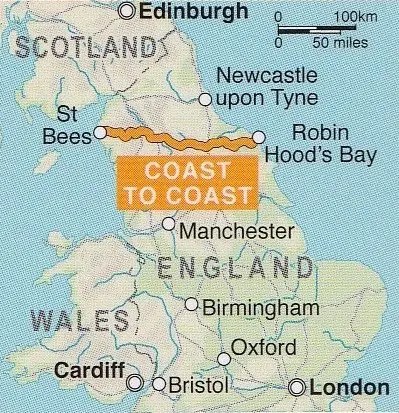 399×413 englands coast coast path top advice tips waypoint from waypoint51.com
  644×338 coastal towns england wales visit summer metro news from metro.co.uk
  1000×800 complete guide english coast england sea from www.livetheworld.com
  1024×767 coastal towns england private tours england from privatetoursengland.com
 .jpg) 1500×768 discover englands coast plan day coast from englandscoast.com
1500×768 discover englands coast plan day coast from englandscoast.com