
Partizansk, a city nestled in the Primorsky Krai region of Russia, boasts a rich history intertwined with coal mining and a landscape shaped by the surrounding hills and valleys. While a conventional, updated online map detailing every street-level nuance might be difficult to find, understanding the general layout of Partizansk and its key features offers valuable insight into the city’s character.
The city’s core stretches along the Partizanskaya River, which serves as a natural axis. The main thoroughfare, often referred to as the central street or Lenin Street (as is common in many Russian cities), typically runs parallel to the river, connecting important administrative buildings, shops, and cultural institutions. This central area represents the heart of Partizansk, where much of the daily commercial and civic activity takes place.
Historically, Partizansk developed around the coal mining industry. Therefore, expect to see residential areas branching outwards from the central core, often uphill, reflecting the placement of former mining settlements and worker housing. These areas might exhibit a grid-like pattern or, more likely, a winding layout dictated by the terrain. Keep in mind that Partizansk is not a large metropolis; the residential areas tend to be relatively compact, making navigation manageable even without hyper-detailed maps.
The landscape surrounding Partizansk significantly influences its map. The rolling hills and valleys are visible even within the city limits, creating distinct neighborhoods and impacting transportation routes. Roads tend to follow the contours of the land, leading to winding routes and potential elevation changes. This also means that you’ll find green spaces interspersed throughout the urban area, offering pockets of natural beauty and recreational opportunities.
Key landmarks in Partizansk, though not always perfectly marked on online maps, include the central square, the Partizansk History and Local Lore Museum, and potentially remnants of the old coal mining infrastructure, such as mine entrances (although many may be closed or repurposed). The city likely has a dedicated bus station for intercity travel and smaller bus stops scattered throughout the residential areas for local transportation. Schools, hospitals, and markets are logically situated within residential areas to serve the community. Religious buildings, if present, would likely be located in prominent or historically significant areas.
To get a clearer understanding of Partizansk’s layout, consider using satellite imagery services. Although street names might not be available, observing the pattern of roads, the relationship to the river, and the distribution of buildings will provide a visual map. Combine this with information gleaned from online searches about key landmarks or local businesses to mentally construct a more complete map of this historically significant mining town.
 850×539 physical map partizansk from www.maphill.com
  650×795 obshhie svedeniia municipalnom okruge gorod partizansk primorskogo kraia administraciia from www.partizansk.org
  532×264 skacat kartu partizanska city guide from map4gps.ru
  600×371 prevision del tiempo partizansk from es.weather-forecast.com
  500×494 partizansk wikipedia from en.wikipedia.org
  800×600 karta partizanska collectionru from fotojaluzi.com
  470×246 turisticka mapa partizanske omask from partizanske.oma.sk
  920×400 karta partizanskogo raiona primorskogo kraia podrobnaia foto from life-styling.ru
  470×246 partizanske omask from partizanske.oma.sk
  850×601 emotional map partizanske prepared based suggestions scientific diagram from www.researchgate.net
 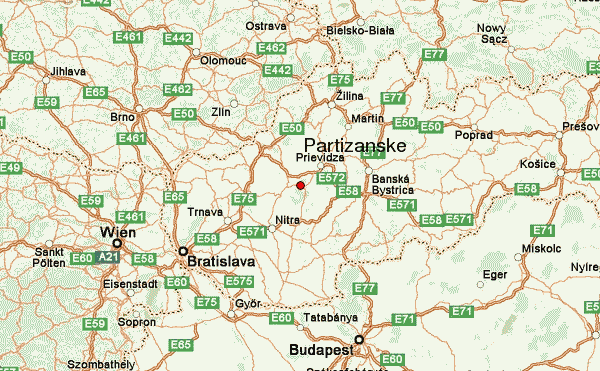 600×371 prevision del tiempo partizanske from es.weather-forecast.com
 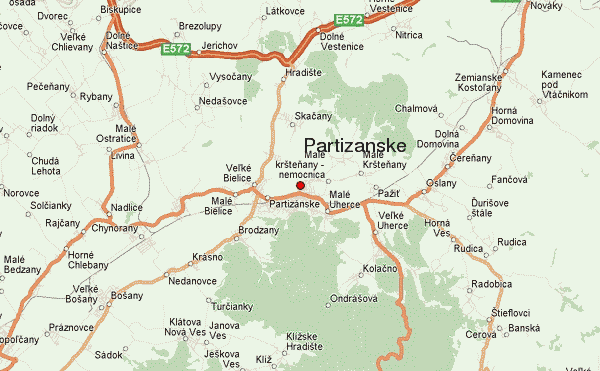 600×371 guia urbano de partizanske from es.weather-forecast.com
  699×600 okres partizanske okresy from forum.valka.cz
  698×683 vladivostok wikipedia from en.wikipedia.org
  638×836 administrative areas primorsky territory russia p scientific diagram from www.researchgate.net
  777×1108 partisan guide cohorg from www.coh2.org
  1600×1353 navigational map partizanskaya glory park editorial photo image holiday crafts from www.dreamstime.com
  848×559 bielski partisans survival witness from survivalandwitness.org
 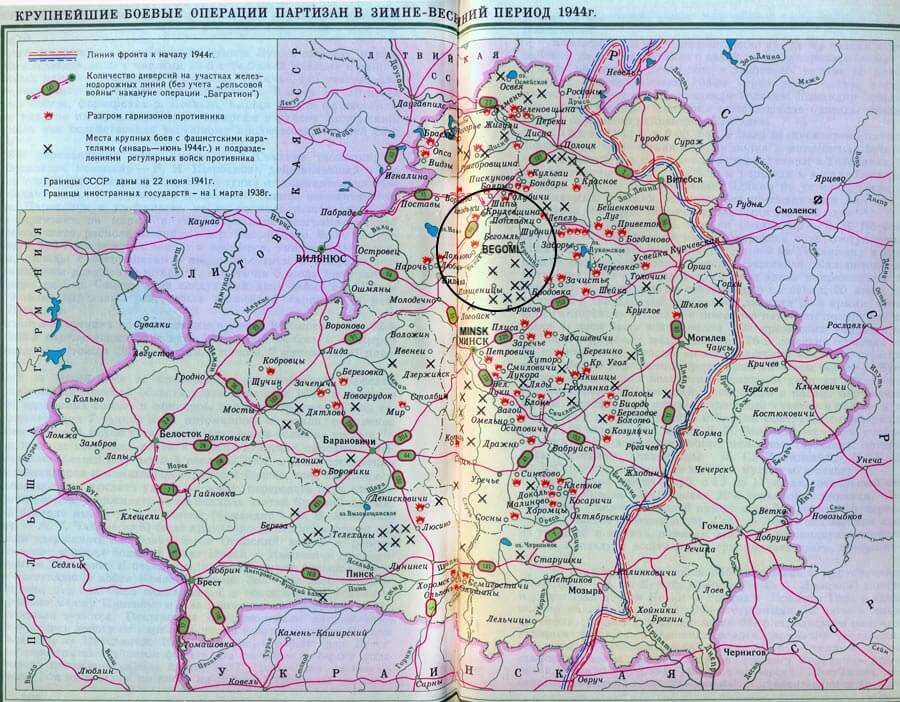 900×702 soviet partisan group consisting partisan medal class order glory class from sovietorders.com
  500×517 maps web from mapsontheweb.zoom-maps.com
 _Map1.jpg/180px-POLATSK(2015)_Map1.jpg) 180×124 categorymaps polotsk wikimedia commons from commons.wikimedia.org
180×124 categorymaps polotsk wikimedia commons from commons.wikimedia.org  2670×2010 archive site news from www.armchairgeneral.com
  336×240 partizanska dreznica croatia map nonanet from nona.net
  550×327 maps militarylandnet from militaryland.net
  1280×978 final map republics soviet union published cia brilliant maps from brilliantmaps.com
 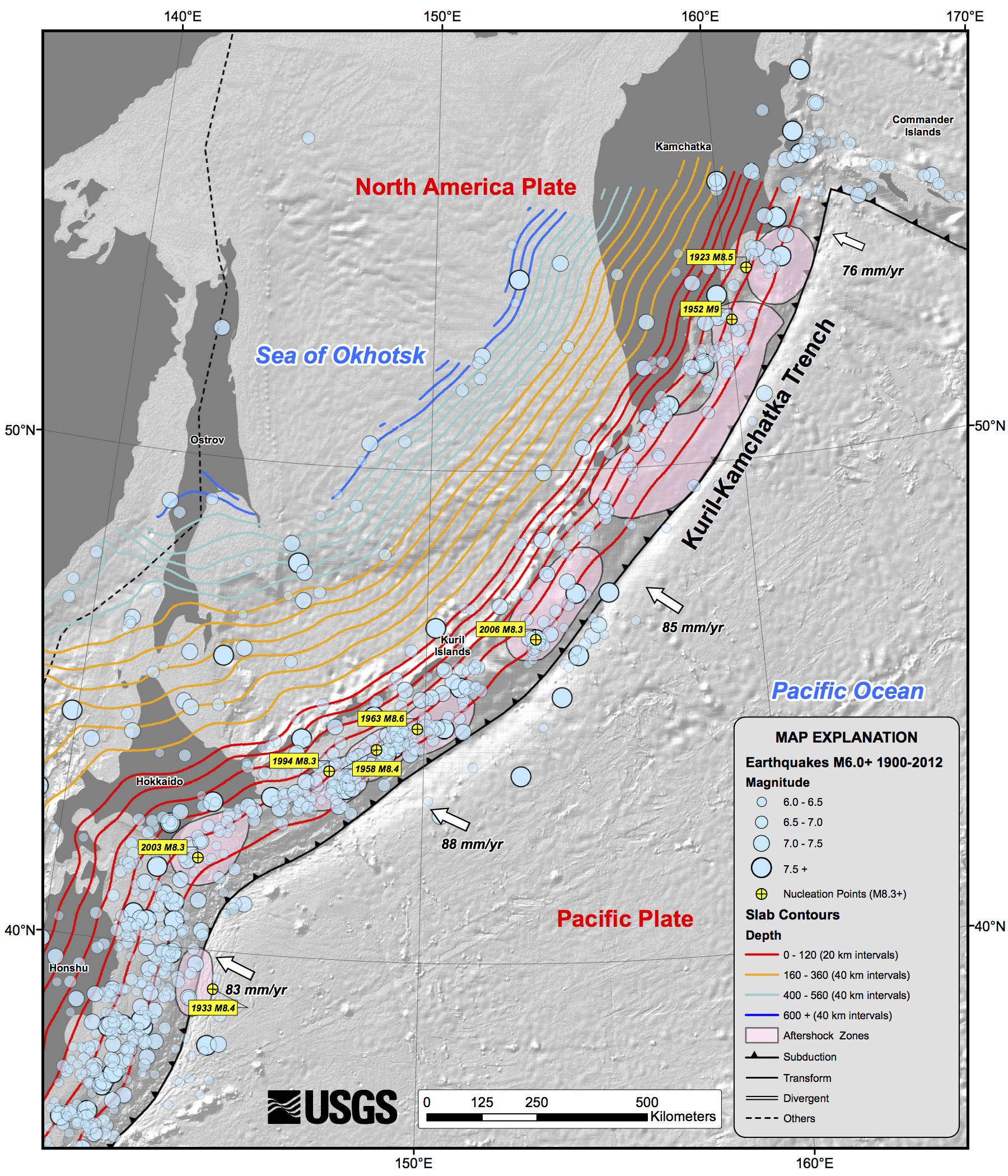 1800×2100 russian earthquake deepest science from www.livescience.com
  1600×777 location map partyzanski raion soviet partisans district minsk stock vector illustration from www.dreamstime.com
  1594×1434 sign ukraine retreating bakhmut wagner chief from edition.cnn.com
  780×384 primorsky krai from www.russianlessons.net